
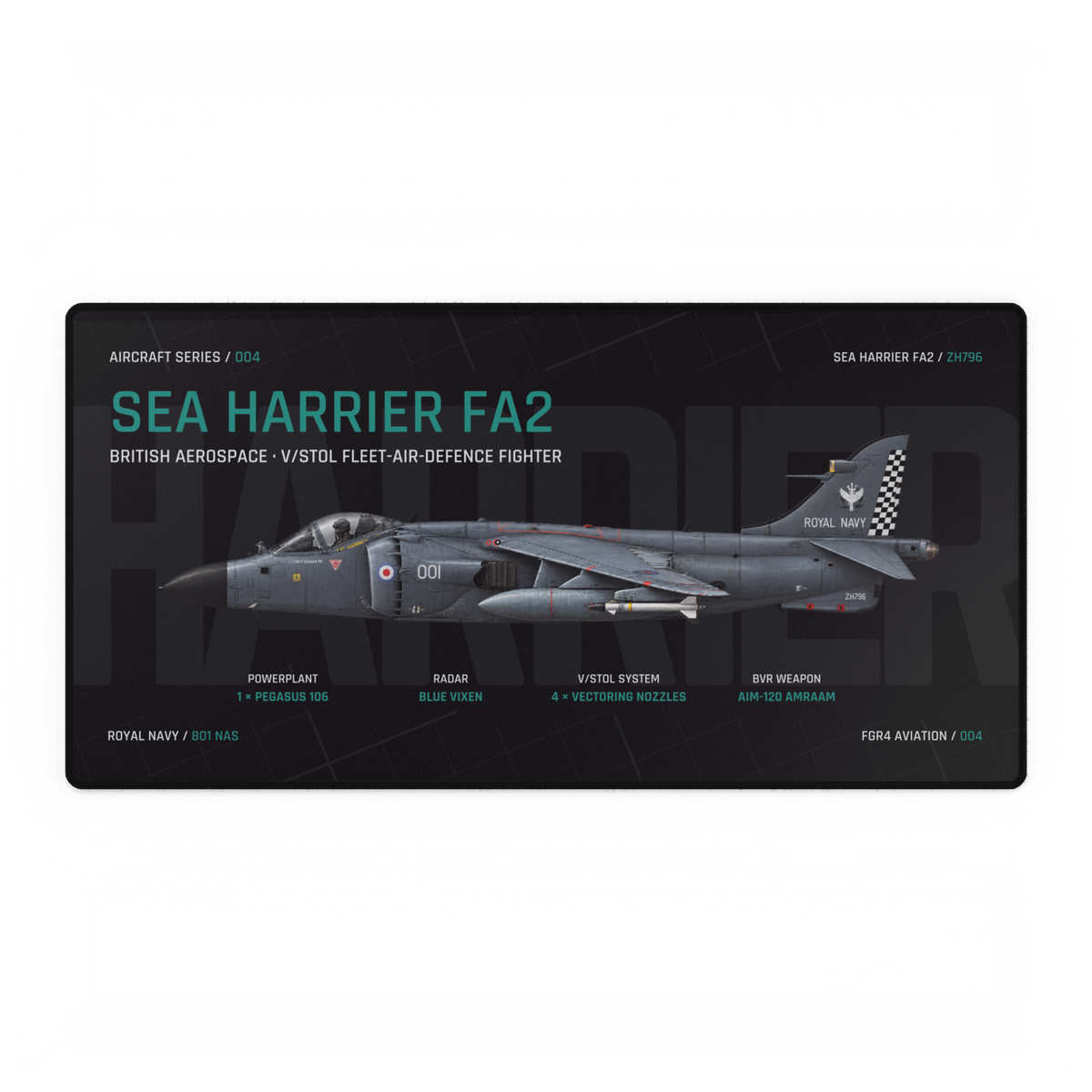
A useful source note for aviation artwork records five things: the subject, variant or mark, individual identifier, depicted date or period, and the source you checked. It should also make clear which details are printed on the artwork and which have been independently verified.
Why keep a source note?
A title can tell you the aircraft type while leaving the individual airframe, date or configuration uncertain. Months later, it is easy to forget whether a detail came from an archive, a museum label, a product caption or your own assumption.
The National Archives’ citation guidance explains why precise references matter: they let another researcher identify the source, verify the information and continue the research. Its basic citation includes the institution and full catalogue reference; its online-catalogue guidance also records the title, dates, URL and access date.
A five-field note you can use
The broad aircraft name printed or depicted.
The exact version claimed by the caption, if one is stated.
Registration, military serial or another individual reference. Preserve the punctuation and spacing used by the source.
Record the date only when the image, caption or reliable source supplies one. Otherwise write “not stated”.
Institution or publisher, catalogue reference or page title, URL and the date you checked it.
“Depicted as” is different from “verified as”
The distinction prevents a caption from becoming circular evidence. Start with what the artwork actually says. Then use a separate museum, archive, manufacturer or official record to confirm it. Our aircraft variant-caption checklist shows why the same airframe identity can appear with different variant labels at different points in its history.
Use simple status labels:
- Depicted as — copied from the artwork or its product caption.
- Verified as — supported by the named independent source.
- Unresolved — sources disagree or the period is not yet known.
A worked example without guessing
The owned Sea Harrier FA2 artwork above is labelled “Sea Harrier FA2” and “ZH796”. A source note can safely record those as the subject, variant and identifier depicted by the artwork. The artwork does not state a depicted date, so the period field should read “not stated” until an independent source establishes it.
Subject: Sea Harrier
Variant / mark: FA2
Identifier: ZH796
Depicted date / period: Not stated
Source checked: FGR4 product artwork and page, 29 September 2026
Status: Depicted as; independent verification not completed in this note
Keep the source separate from the image file
A filename may change and a saved image may lose its original context. Keep the source note in a small text file, spreadsheet or collection catalogue next to the artwork record. If the source is archival, copy its reference exactly. If it is a web record, retain the page title, URL and the date accessed.
The Smithsonian’s 1909 Wright Military Flyer image record is a good model of visible metadata: it separates creator, creation date, source and rights information. Your personal note can be shorter, but those distinctions keep provenance clear.
Your next five-minute check
Choose one piece from your collection and fill the five fields without filling any gap from memory. If you cannot verify a detail, mark it unresolved. For technical drawings, also record which view you are looking at using our side, top and front-view guide. You can use the same template while browsing the current FGR4 Aircraft Series.
Sources checked 29 September 2026. Hero image: owned FGR4 product artwork. This article provides a practical collection note, not a formal archival citation standard.